Vehicle Lighting
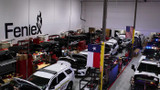
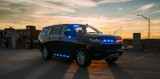
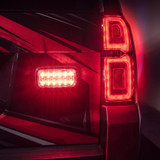
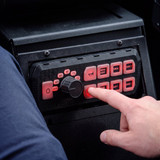
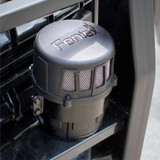
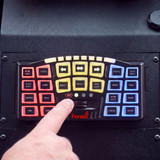
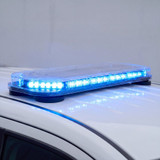
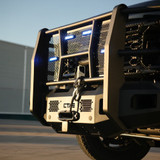
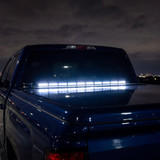
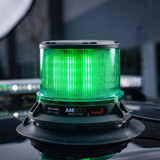
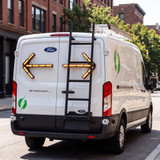
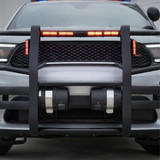


Emergency lights and sirens for police cars, fire apparatus, ambulances and volunteer POVs. Shop lightbars, dash lights, grille and surface mount lights, sirens and speakers, headlight flashers and switch boxes from Feniex, SoundOff Signal, Federal Signal, Whelen and more. New to building a vehicle? See our buying guide below the products.
How to equip an emergency vehicle
Most builds come down to four parts: lights that are seen, a siren that is heard, a controller to run them, and the wiring and mounts that hold it all together. Here’s how the pieces fit.
1. Warning lights
Start with what other drivers see first. A lightbar gives 360° coverage from the roof. Dash and visor lights and interior lightbars mount inside the glass for unmarked and personal vehicles. Add grille, deck and surface mount lights for the front, sides and rear.
2. Siren & speaker
A siren is the amplifier and control; the speaker makes the sound. Match their wattage: a 100 W siren runs one 100 W speaker, and a 200 W siren runs two (or one 200 W speaker).
3. Control
A switch box or controller puts lights, siren and scene lighting on one panel. Many sirens include light switches of their own, so check before buying both.
4. Mounting & wiring
Finish with brackets and bezels, lightbar mounts and harnesses and adapters. Headlight and tail light flashers add warning power using the lights your vehicle already has.
Lights and sirens for volunteer firefighters
About two-thirds of U.S. firefighters are volunteers, and many respond from home in their own vehicle. A volunteer POV setup is usually a dash light or visor bar, a pair of grille lights and a plug-in headlight flasher. Where your state allows it, add a compact siren and 100 W speaker.
Police, fire and EMS fleets
For marked units, a full-size lightbar, 100 W or 200 W siren and a push bumper with lights is the usual base package. Unmarked units rely on interior lightbars, hide-away lights and flashers. Outfitting a fleet or need help matching parts to a vehicle? Contact us with the year, make and model.
Check your local rules first. Which colors you may run, and whether a personal vehicle may carry lights or a siren at all, is set by your state and often by your department. Many states reserve blue for law enforcement and require a permit or chief’s authorization for a volunteer’s POV. Questions about a build? Contact us and we’ll help.